
Computer Guy

Computer Guy
Sunset at DoubleM Systems (DBLM.com), Del Mar, California

Monday, October 3, 2022

Letting Go


On this day, 30 years ago, I let go of the product and the company I worked to build over the previous 7 years. The stress was killing me, and I decided that I would either sell the company or walk away from it. Fortunately, a buyer appeared and the rest, as they say, is history. So, for the last 30 years I have been relatively stress free, a condition I recommend wholeheartedly.

While the first several years after the sale of the company was a period of spending money on toys (Ferraris, airplanes, etc) and travel and parties and homes, that lifestyle was simply not me, although I gave it a good try.

Now my life is minimalist and sustainable, and I feel much more comfortable with who I have become. More importantly, I am truly at my best when I am helping others become their best. That typically involves helping first time entrepreneurs, founder/CEOs, succeed with their business adventures.

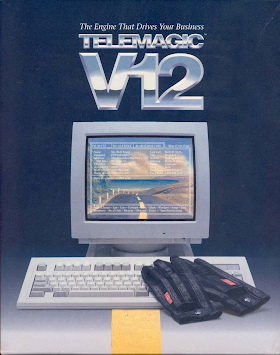
TeleMagic was the product I invented in 1985. It was the first of a new class of software the would eventually be called "Contact Management" and currently called "Customer Relationship Management" (CRM). There are a ton of products and companies in this industry, which today accounts for hundreds of billions in value. My company Remote Control International, was the first to enter the industry, we were also the first to exit the industry. This happened in 1992, several years before the Internet, which really exploded the CRM software industry.

I look back in wonder at how it was possible to build such a product and company, starting with zero cash, zero investors, no co founders, no loans, and not even a credit card. It was bootstrapped the whole way… I was dead broke the day I started out, and dead broke the day before the sale, having put every dime of profit back into the company. If the sale had not gone through, I would have just walked away from it all just to survive.

I'm glad things turned out the way they did. It has been a most extraordinary adventure!

I was lucky, and I had help from some good people who I remember with an enormous sense of gratitude.

Sunday, September 11, 2022

TeleMagic - The Secret Files - Condensed version 9:31

From the archives. The year was 1993, just a few months after Sage bought my TeleMagic software company. I personally paid for this video, and offered it free to Sage but they never used it. 


The name TeleMagic:

The Magic part of the name TeleMagic comes from that famous quote by Arthur C. Clarke: “Any sufficiently advanced technology is indistinguishable from magic.”
The Tele part is a reference to Telephone because of the revolutionary interface between computers and telephones.
Another Tele reference was Telepathy: that the software is so easy to use that it knows what you want without being told.


Notice that the software is not demonstrated or even briefly shown in the video. This was intentional, of course. This was to create curiosity in the viewer to know more. Most tech products focus on the tech, but we focused on what buyers want: Results.

Sunday, August 7, 2022

That Which Can NOT Be Delegated

I've seen many people struggle with getting going with their ideas because they want other people to do the hard work associated with starting a business.

For example, some founders have relatively clear ideas about what the ideal world should look like, but have no idea how to get it to be that way.

One of the biggest stumbling blocks many founders face is the need to communicate their ideas in writing. This is often so painful a process that it never gets done. Frustration builds to the point where the founder tries to get someone else to communicate what the founder is thinking.

This rarely goes well...

If the startup will need outside investors, you can be sure that the investors will want to hear directly from the founder, the source of the big ideas behind the new adventure. No investor really wants to hear from the Sales or Marketing Manager, or the IT guy. These people are hirelings, they will come and go over the lifetime of the business. The founder is the Visionary, and will, hopefully, lead the company for the possibly 10 years or more that it will take to, maybe, achieve success. 

Another reason why startup idea people want to delegate the undelegatable is because they recognize that they don't have the skill set to communicate effectively. They have never created a slide deck, or a spreadsheet, or a business plan, and they just back away from learning these skills, hoping they will meet someone who will do this work for them. 

It could happen, but rarely, if ever, does. If the idea guy doesn't have the fire to learn new skills, then they probably don't have the fire to lead the adventure over the long run.

Hope is not a strategy, however Recruiting is. Founders who lack the skill sets to communicate their Big Idea must find a co-founder who excels at these skills, and this co-founder should be the CEO. Investors only want to talk to the CEO. So the original founder must therefore fade into the background and let the CEO co-founder take over. 

In order for this Recruiting strategy to work, the Big Idea guy must work ceaselessly to find their ideal co-founder, a true communicator with skills to get the Vision across in such a way that Investors line up to throw money at the fledgling business. 

This means that the co-founders must endure the early period of building the Message (the Vision), and even a Prototype product or service, with no pay and long hours, until that first Seed Money kicks in from the first Investors (usually Friends, Family, and Fools).

Sometimes, failure to launch just comes down to laziness. The Big Idea guy never gets past their own personal comfort zone to risk it all and Just Do It (whatever it takes), and Persist until they succeed. It's a lot easier and more comfortable to stay with their 9-5 day job with good pay than it is to quit and go full bore on starting a new business with at most a 1 in 10 chance of success.

Co-founders aren't always needed to get funding, but it sure does help.


Saturday, June 18, 2022

Why NOT be CEO, by Naval Ravikant

As a serial startup founder, I always defaulted to being the CEO, and I enjoyed it at the beginning of each different business, but it became less enjoyable as the business matured. It seems that the business takes on a life of its own and the CEO starts being run by the business instead of the other way around. 

That's the way it was for my first couple of startups, and then I got a little smarter and tried to hire a CEO after a few years of doing it on my own. He  would have been great, but he was there only a few months and decided he needed to buy the company, but couldn't afford it. That happened twice!

While it may be good to be CEO, it can be so much better to not be CEO. Naval Ravikant (@naval) explains why, and how to find a great CEO. 


For some long form video of Naval on a wide range of topics, check out the Joe Rogan podcast episode.

Friday, April 29, 2022

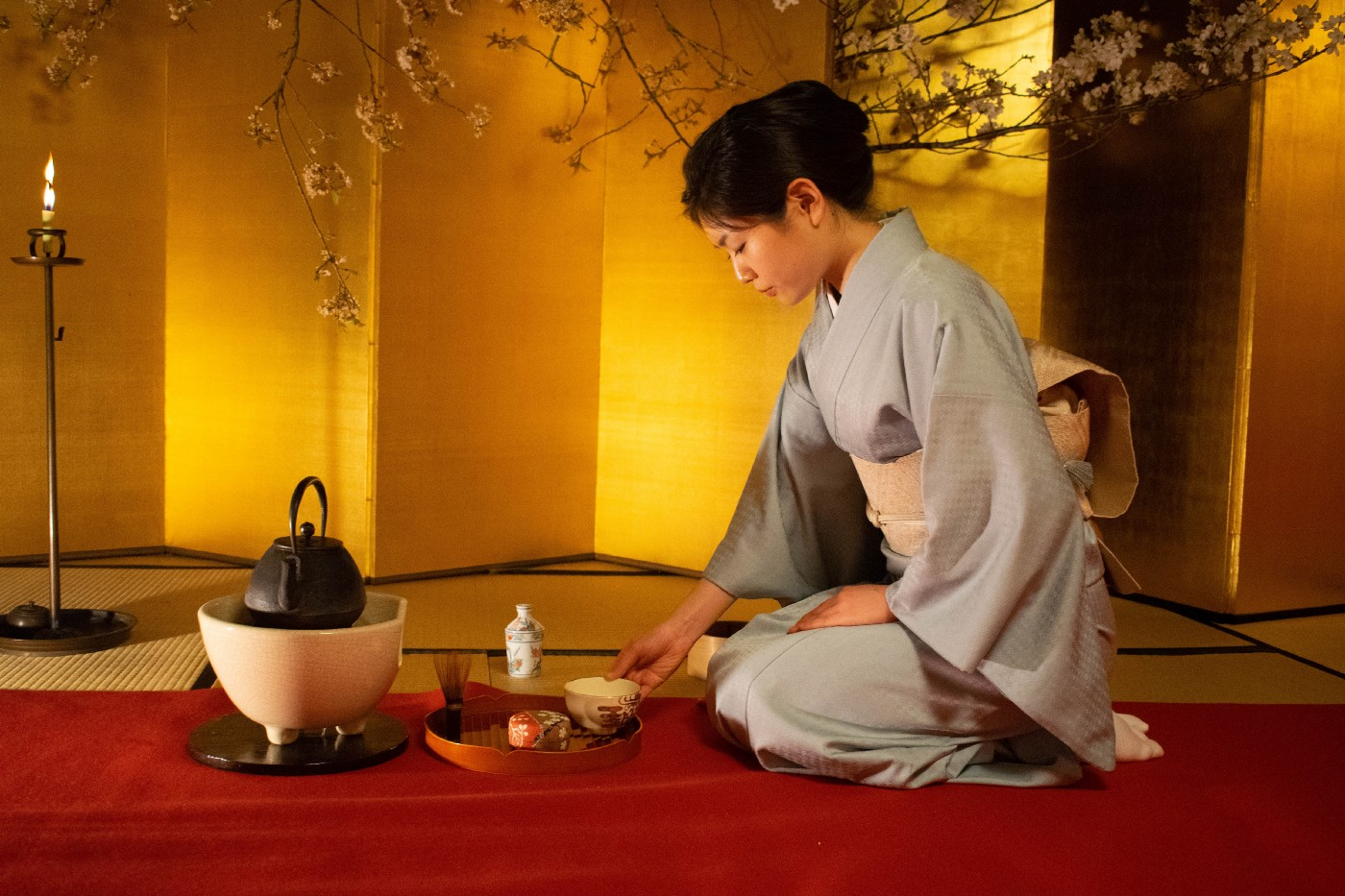
Ten Japanese Principles


Ten Japanese principles for better living:

  1. Omoiyari: embed compassion in your life, work, and product design.
  2. Ikigai: live with purpose and passion.
  3. Wabi-sabi: be grateful, see beauty in imperfection, and strive for excellence, not perfection.
  4. Mottainai: embrace essentialism, and live sustainably.
  5. Shin-Gi-Tai: keep a healthy body and a sound mind. They are the path to mastery.
  6. Shu-Ha-Ri: learn the basics. Imitate, then innovate.
  7. Kaizen: embrace change and strive for small and continuous improvements.
  8. Mono no aware: detach from material things, outcomes, and old beliefs.
  9. Omotenashi: give without expecting a reward. The world gives to the givers.
  10. Ho-Ren-So: over-communicate. Report problems even if you don’t have an answer.

Final words

Adding concepts like these to our toolbox can help us navigate this interconnected world and thrive in it as we experience more of life and evolve.


source for more reading on this topic: 
https://betterhumans.pub/10-japanese-concepts-for-self-improvement-and-a-balanced-life-42cf0be2da1a

Thursday, March 10, 2022

Reminder: How Fortunes Are Built


Fortunes are built during the down market

and collected in the up market.

Jason Calacanis